
Leaf Chains: A Comprehensive Guide for Mechanical Designers and Procurement Teams
5/29/20267 min read
Introduction to Leaf Chains
Leaf chains are a type of lifting and conveying mechanism commonly used in a variety of industrial applications. Composed of a series of plates or links, these chains are designed to engage sprockets or pulleys, allowing for effective transmission of power and motion. Their robust design and durability make leaf chains suitable for high-load applications, thus establishing their significance in mechanical design.
One of the primary functions of leaf chains is to facilitate movement in mechanical systems, whether it be for lifting heavy loads, transporting materials, or operating machinery. Their versatility allows for use across a range of industries including automotive, manufacturing, and logistics. In automotive applications, for example, leaf chains are often employed in conveyor systems or as a part of engine mechanisms, ensuring reliable performance over extended periods.
The importance of incorporating leaf chains into mechanical designs cannot be overstated. They provide a reliable solution for power transmission, ensuring that machinery operates efficiently and effectively. Their design can accommodate variations in load and speed, making them an ideal choice for systems that may experience fluctuating operational demands. Furthermore, leaf chains offer a maintenance-friendly option due to their straightforward assembly and disassembly processes, which is crucial for minimizing downtime in industrial settings.
In conclusion, leaf chains play a vital role in mechanical design and industrial applications, contributing to the smooth operation of various machinery. Their ability to handle heavy loads, coupled with their reliability and ease of maintenance, reinforces their value within the engineering and procurement sectors. By understanding the fundamental aspects of leaf chains, designers and procurement teams can make informed decisions that enhance overall operational efficiency.
Structural Composition of Leaf Chains
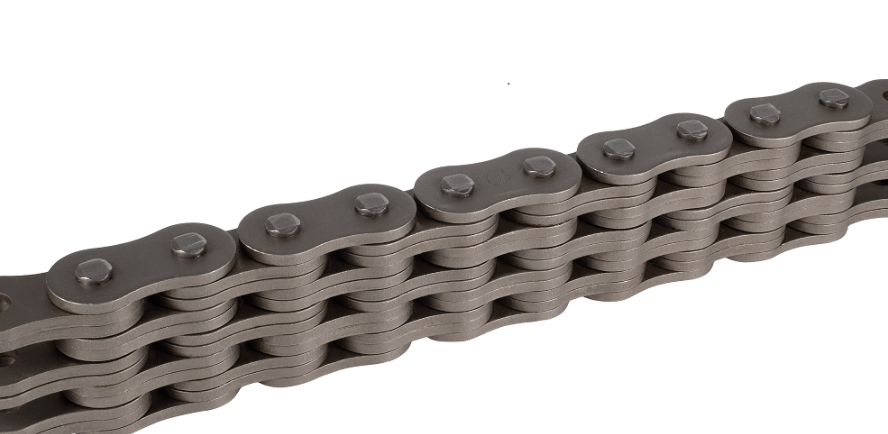
Leaf chains are essential components in various machinery, characterized by their simple yet effective design. The structural composition of leaf chains consists of multiple interlinked components that work harmoniously to provide the desired mechanical performance. A leaf chain typically comprises links made from high-strength materials, ensuring longevity and resistance to wear.
The primary material used in the manufacturing of leaf chains is usually carbon steel, often treated through processes such as heat treatment to enhance its mechanical properties. This treatment increases strength and hardness while maintaining ductility, allowing the chain to endure high-stress conditions. In addition to standard carbon steel, some designs incorporate alloy steels or stainless steel, especially in applications where corrosion resistance is critical.
Each individual link in a leaf chain features a distinctive design that contributes to the overall functionality. Links are formed with precision engineering to achieve the correct balance between strength and flexibility. The typical link design includes a flat plate configuration, which helps distribute loads evenly across the chain. This design not only aids in reducing stress concentrations but also plays a crucial role in the alignment of the chain as it navigates through pulleys and sprockets.
The assembly of these links into a leaf chain allows for effective load-bearing capabilities while keeping the overall weight manageable. The links are often joined together using pins, which facilitate movement while maintaining a secure connection. The combination of high-quality materials and intelligent design enhances the performance and durability of leaf chains, making them ideal for a variety of applications, including forklifts, conveyor systems, and agricultural machinery.
Load-Bearing Principles of Leaf Chains
Leaf chains are a fundamental component in various mechanical applications, particularly for transmitting power and motion. Their design and construction adhere to specific load-bearing principles that determine their efficiency and functionality. One of the primary aspects of leaf chains is load distribution, which is critical for ensuring optimal performance. In essence, leaf chains facilitate the even distribution of load across multiple links, reducing stress concentration and increasing overall durability.
The mechanical advantage provided by leaf chains is another crucial factor influencing their load-bearing capacity. Essentially, by using multiple links interconnected through pins, leaf chains can transmit substantial loads with minimal wear and tear. The configuration allows for the effective sharing of the applied load across several links, thereby reducing the risk of failure. This characteristic is particularly valuable in applications that demand high strength and resilience, such as construction equipment and automated systems.
Several factors influence the load capacity of leaf chains, including the material composition, link thickness, and the number of plates in the chain. The material selected plays a pivotal role in determining not only the chain's overall strength but also its fatigue resistance. Higher-grade materials increase load capacity, while thicker links provide enhanced resistance to mechanical wear. Additionally, the design and size of the link plates contribute to the chain's ability to handle loads without deformation. When procurement teams consider leaf chains for a particular application, understanding these factors is vital to achieving the necessary performance and longevity.
Overall, comprehending the load-bearing principles of leaf chains allows mechanical designers and procurement teams to make informed decisions, ensuring that the selected chains meet both operational demands and longevity expectations.
Model Marking Rules for Leaf Chains
Understanding the model marking rules for leaf chains is crucial for mechanical designers and procurement teams who seek to select the right type of chain for their applications. Leaf chains are denoted by specific markings that convey essential information about their specifications, dimensions, load capacities, and construction features.
The marking typically commences with a letter that identifies the chain type. For instance, the letter "L" stands for leaf chains designed for lifting applications, while a designation of "F" may indicate a flat type suited for tensioning tasks. Following the initial letter, a numerical code represents the nominal pitch of the chain, measured in millimeters. For example, a chain marked as "L10" refers to a leaf chain with a pitch of 10 mm.
Additional markings may present specific characteristics such as the number of plates or leaflets, which can further define the load capacity and application suitability. A marking like "L10-2" suggests that the chain comprises two leaflets per link, enhancing its strength and flexibility. These markings are vital for differentiating between various chain types and ensuring the selected chain meets the desired operational demands.
It is also essential to consider the quality and standard compliance of the marking’s issuing authority. Many manufacturers will adhere to international standards set forth such as ISO or ANSI guidelines, which ensure uniformity and reliability across products. This compliance not only facilitates global trade but also provides confidence in the product's integrity.
Reading and interpreting these model markings correctly will streamline the procurement process, allowing buyers to quickly assess the specifications required for their specific applications. Familiarity with these rules enables procurement teams to make informed decisions, ultimately enhancing operational efficiency.
Core Manufacturing Processes of Leaf Chains
Leaf chains are integral to various applications in industrial machinery, and their quality is dependent on meticulous manufacturing processes. The production of high-quality leaf chains commences with the selection of raw materials, typically high-grade steel that provides the necessary strength and durability. The steel is often chosen for its mechanical properties, ensuring it can withstand significant stress during operation.
Once the raw materials are secured, the next step involves forging, a process that shapes the metal into precise forms required for the chain components. Forging enhances the steel's microstructure, thus improving its mechanical strength, which is crucial for the overall performance of leaf chains. Various forging techniques, such as hot or cold forging, may be employed depending on the specifications required. The choice of technique impacts the tensile strength and elongation properties of the final product.
After forging, the individual components undergo machining processes to achieve exact dimensions and surface finish. This stage is essential as it ensures that each part fits together seamlessly during assembly. Machining may include operations like turning, milling, or grinding, each contributing to the precision of the leaf chains.
Quality control measures are embedded throughout the manufacturing processes to maintain high standards. Inspection protocols are implemented to test the mechanical properties and dimensional accuracy of components, ensuring they meet predefined specifications. Tests such as tensile strength assessments and fatigue testing are conducted at various manufacturing stages to ascertain the reliability of the final product.
The final phase of manufacturing involves the assembly of the chain components, wherein links, pins, and other necessary elements are combined to create the complete leaf chain. After assembly, further inspections are carried out to verify the structural integrity of the final product, ensuring it meets the rigorous demands placed upon it in industrial applications.
Tensile Strength Inspection Standards
Tensile strength is a critical parameter in the evaluation of leaf chains, as it directly influences their performance and safety in mechanical applications. The tensile strength of a leaf chain refers to the maximum load it can withstand without experiencing failure. To ensure that leaf chains meet the required performance standards, various inspection methodologies have been established.
One of the most widely recognized standards for tensile strength testing in leaf chains is outlined by organizations such as the American National Standards Institute (ANSI) and the International Organization for Standardization (ISO). These standards provide specific guidelines regarding the testing procedures, including the preparation of samples, the equipment used, and the parameters to be measured. Manufacturers are often required to conduct tensile tests using standardized testing machines capable of providing accurate load measurements.
During the tensile test, a sample leaf chain is subjected to a gradually increasing load until it reaches its breaking point. The maximum load applied before failure occurs is recorded and used to calculate the chain's tensile strength. This strength is often specified in pounds or kilograms and should align with the requirements established for the specific application for which the leaf chain is intended.
The importance of adhering to these tensile strength inspection standards cannot be overstated, as they play a vital role in maintaining the operational integrity of equipment utilizing leaf chains. Insufficient tensile strength can lead to chain failure, resulting in mechanical malfunctions and potentially hazardous situations. Therefore, consistent compliance with established tensile strength testing protocols is essential for manufacturers, procurement teams, and mechanical designers.
By understanding and implementing these standards, stakeholders can more effectively assess the quality and reliability of leaf chains, ensuring that they are equipped to withstand the demands of their applications.
High-Precision Heavy-Load Leaf Chain Products
In high-demand industrial applications, the effectiveness of machinery heavily relies on the quality and durability of its components. Leaf chains, known for their strength and reliability, are instrumental in ensuring smooth operations. Hangzhou Ocean Industry Co., Ltd. stands out as a key manufacturer, offering a range of high-precision heavy-load leaf chain products designed to meet the rigorous demands of contemporary industries.
One of the distinguishing features of Hangzhou’s leaf chains is their exceptional tensile strength, allowing them to carry heavy loads effortlessly. These chains are manufactured from premium materials, which significantly enhances their durability and longevity, thus reducing the frequency of replacements and maintenance costs. Additionally, the precision engineering involved in the manufacturing process ensures that every leaf chain performs optimally under various load conditions.
The unique advantages of these heavy-load leaf chains include their resistance to wear and tear, making them suitable for demanding environments such as mining, construction, and heavy machinery industries. Furthermore, the chains are designed with minimal elongation over time, maintaining their integrity and functionality even after extended usage. This quality greatly contributes to maintaining operational efficiency and safety standards in industrial settings.
Hangzhou Ocean’s high-precision heavy-load leaf chains also offer versatility in applications ranging from material handling systems to drive mechanisms. Their design accommodates different configurations, ensuring compatibility with a wide range of equipment. This adaptability is crucial for industries looking to optimize their operations while minimizing downtime caused by equipment failure.
In conclusion, high-precision heavy-load leaf chains from Hangzhou Ocean Industry Co., Ltd. exemplify quality and efficiency, playing an essential role in enhancing operational performance and safety in various industrial applications. The commitment to innovation and precision positions these products as a reliable choice for mechanical designers and procurement teams aiming to elevate their operational standards.
Quality
Expert chain manufacturing with 20 years experience.
GET IN TOUCH
Tel:+86-571 88065675 | +86-571 88842852
E-mail:oceanindustry@vip.163.com
Fax:+86-571 88844378
Address:4th Floor, Block 2, Qianjiang Century Industrial Park, 2327 Hongning Road,Ningwei Town,Hangzhou, China
© 2005. All rights reserved.
An OIC Group company