
Heavy-Duty Industrial Chains for Mining, Cement, and Aggregate Processing Applications
7/1/20267 min read
Introduction to Heavy-Duty Industrial Chains
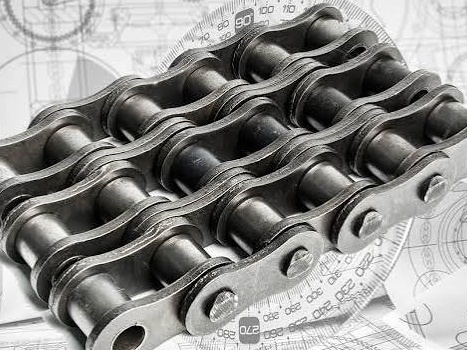
Heavy-duty industrial chains play a crucial role in various sectors, especially in harsh environments like mining, cement, and aggregate processing industries. These specialized chains are engineered to withstand extreme conditions, including high loads, abrasive materials, and significant temperature variations. For industries that rely on continual operation, the integrity of these chains is paramount, as they ensure the seamless movement of materials from one point to another.
In mining operations, heavy-duty industrial chains are used in cableway transport systems, conveyor belts, and other processes where heavy ore and rock materials are involved. Due to the rough nature of the materials handled and the demanding conditions of these applications, the chains must exhibit exceptional strength and resistance to wear and tear. The right choice of chain ensures productivity and minimizes downtime, thereby enhancing operational efficiency.
Similarly, in cement manufacturing, these chains are utilized in various equipment such as bucket elevators, mixers, and conveyors. The dusty and corrosive environments necessitate the development of chains that not only offer mechanical robustness but also feature resistance to abrasion and environmental factors. Innovative materials and coatings have been introduced in recent years to further improve the performance of these chains in cement applications.
Aggregates processing involves the handling of gravel, sand, and other materials, wherein heavy-duty chains facilitate the transport and processing of these resources. Given the variability in material sizes and weights, industrial chains in this domain must adapt to different loads efficiently. This adaptability is critical for maintaining the safety of the workforce and ensuring a steady flow of operations.
Overall, the importance of heavy-duty industrial chains cannot be overstated. They serve as fundamental components that contribute to the reliability and safety features of industrial machinery in challenging environments.
Types of Engineered Steel Chains
Engineered steel chains are integral components in various industrial applications, specifically in the mining, cement, and aggregate processing sectors. Among the different types of chains, drag chains, apron conveyor chains, and bucket elevator chains stand out for their unique designs and operational advantages.
Drag chains are commonly used for material handling in harsh environments. These chains facilitate the movement of bulk materials, such as aggregates and coal, across inclined and horizontal conveyors. The design of drag chains ensures a robust performance under heavy loads while minimizing wear. Made from high-strength steel, they are engineered to withstand abrasive materials and adverse conditions, making them essential for effective material transport in mining operations.
Apron conveyor chains serve a vital role in the transportation of heavy and bulk materials, particularly in cement plants. These chains feature a series of interconnected metal plates that create a sturdy surface for the movement of materials. The unique structure allows apron conveyor chains to absorb shocks and distribute the weight evenly, reducing strain on the system. Their resilience and durability enable them to maintain operational efficiency in high-stress environments typical of industrial processing.
Bucket elevator chains are specifically designed for vertical material lifting. These chains are equipped with buckets that carry bulk materials from one level to another, maximizing space efficiency and throughput. Engineered for high-load capacities and minimal maintenance, bucket elevator chains are utilized in various applications, including grain handling and cement production. Their robust construction ensures reliability and longevity, even in challenging conditions.
In conclusion, the selection of the right type of engineered steel chain is crucial for optimizing performance and reliability in industrial applications. By understanding the distinct characteristics and benefits of drag chains, apron conveyor chains, and bucket elevator chains, industries can effectively address their material handling needs for mining, cement, and aggregate processing.
Welded Steel Chains for Scrap Handling
Welded steel chains are an essential component in the handling of heavy scrap materials. Designed specifically to withstand harsh environments, these chains are constructed from high-quality steel that ensures enhanced durability and longevity. The welding process used in their production provides additional strength at the joints, enabling the chains to endure high shock loads that are common in scrap handling operations.
One of the significant advantages of welded steel chains is their resistance to wear and tear. Scrap materials often contain abrasive elements that can quickly degrade weaker chain options. However, the hardened steel utilized in welded chains offers superior abrasion resistance, making them ideal for environments that involve the continuous movement of rough materials. This feature minimizes the need for frequent replacements, resulting in lower operational costs and improved uptime.
Furthermore, the design of welded steel chains facilitates easy maintenance. These chains can be equipped with various attachments tailored for specific handling tasks, enhancing their versatility. The incorporation of features such as reinforced links and bushings further improves their ability to handle extreme loads without compromising performance. Additionally, the chains are available in a range of sizes and configurations, allowing operators to select the appropriate chain depending on the type of scrap material being handled.
In applications where shock loading is common, such as in scrap yards or metal recycling facilities, welded steel chains prove to be indispensable. Their robust construction absorbs impacts and distributes stress evenly, preventing failures and prolonging the chain’s lifespan. As such, industries that rely on efficient and reliable scrap handling solutions benefit significantly from integrating welded steel chains into their processes.
Cast Combination Chains for Abrasive Transport
Cast combination chains play a crucial role in the transport of abrasive materials within various industries, particularly in mining, cement production, and aggregate processing. Engineered specifically for harsh conditions, these chains are designed to withstand the wear and tear associated with moving heavy, abrasive loads. Their construction typically involves a combination of durable materials that enhance their longevity and operational efficiency.
The unique design features of cast combination chains include robust links that are often constructed from high-strength alloys. This increases their resistance to environmental factors such as extreme temperatures, corrosive conditions, and abrasive particles. Additionally, the use of cast components allows for a more seamless assembly, providing greater flexibility and reducing the risk of failure during operation. The interlinking design also aids in distributing loads evenly across the chain, enhancing its capability to transport heavy materials without compromising its structural integrity.
Furthermore, the geometry of cast combination chains is specifically designed to improve performance during abrasive transport. Features such as optimized link shapes and modular components enable these chains to navigate tight spaces and complex pathways with ease. The ability to perform effectively under duress makes them indispensable for operations that require continuous movement of abrasive substances, such as gravel, sand, and crushed rock.
In light of their resilience and efficiency, cast combination chains represent an essential element in the operation of equipment tailored for abrasive transport. Their ability to function seamlessly in a variety of challenging environments underscores their significance in enhancing the productivity and reliability of industrial processes associated with heavy-duty materials.
Design Solutions for Extreme Operating Conditions
The operational challenges faced in mining, cement, and aggregate processing applications necessitate specialized design solutions for industrial chains. These environments are characterized by severe stress and abrasive materials, making the right choice of materials and design critical for optimal performance. One of the primary enhancements in this regard is the use of through-hardened pins. This method entails heat treating the pins through their entire cross-section, resulting in enhanced resistance to wear, fatigue, and deformation under high loads. By distributing stress evenly, these pins minimize the risk of failure in demanding applications.
Induction-hardened bushes are another essential innovation in the design of heavy-duty industrial chains. This process strengthens the outer layer of the bushes while maintaining a tougher, ductile core. Such a combination not only improves the overall wear resistance but also helps cope with sudden impacts and dynamic loads typical in industrial settings. The ability to withstand high levels of stress without fracturing is particularly beneficial in operations where heavy machinery is utilized.
Furthermore, the implementation of sealed joints serves to extend the service life of chains operating in harsh environments. These sealed designs prevent dirt, dust, and moisture from entering the joints, significantly reducing the wear caused by contaminants. This protective feature is vital in minimizing maintenance needs and enhancing the longevity of the industrial chains.
Heavy-section plates are another vital design element that improves the durability of chains under extreme operating conditions. By utilizing plates of considerable thickness, manufacturers can offer enhanced resistance to bending and other forms of deformation. This structural integrity not only contributes to improved performance but also ensures that the chains provide reliable service over extended periods in challenging environments.
Chain Inspection and Replacement Strategies
In continuous 24/7 mining operations, the reliability and performance of heavy-duty industrial chains are critical. Regular chain inspection is paramount to ensure safety and minimize potential downtime caused by unexpected failures. Implementing a systematic inspection regimen helps identify wear and tear, fatigue, and other critical issues that could compromise operational efficiency.
It is recommended that heavy-duty chains undergo inspection at least once a month, with increased frequency during peak operational periods or after significant shifts in workload. Inspections may include visual assessments, lubrication checks, and functionality tests to verify that chains are operating within their designed parameters. Utilizing specialized tools such as ultrasonic thickness gauges and wear monitors can provide further insights into the chains' condition, allowing for more precise maintenance planning.
When inspecting chains, it is crucial to evaluate various factors, including elongation, roller and pin wear, and the condition of the chain links. Any indication of excessive wear or damage should be documented, and chain components should be replaced proactively before reaching failure thresholds. This approach not only improves safety but also enhances the longevity of the chain and associated equipment.
Alongside routine inspections, establishing a planned replacement strategy is vital for heavy-duty chains in mining applications. This can involve tracking the operational hours or load cycles that the chains endure and forecasting potential replacement periods based on performance data. By incorporating predictive maintenance practices and maintaining an adequate inventory of replacement chains, operations can significantly reduce downtime associated with unexpected chain failures.
In sum, proactive chain inspection and maintenance strategies are essential to maintaining the operational reliability of heavy-duty industrial chains in mining, cement, and aggregate processing applications. By prioritizing ongoing assessments and planned replacements, organizations can enhance safety and efficiency while minimizing costly interruptions.
Safety Considerations for Chain Handling in Underground Mining
Handling heavy-duty industrial chains in underground mining environments poses unique challenges that require stringent safety measures. The hazardous conditions prevalent in mining operations necessitate adherence to specific safety protocols to ensure the well-being of personnel while maintaining operational efficiency.
First and foremost, it is essential to conduct a thorough risk assessment before any chain handling activities begin. This assessment should identify potential hazards such as sharp edges, heavy loads, and limited visibility. Understanding these risks allows for the implementation of appropriate safety measures. One critical aspect of this process is regularly inspecting chains for wear and damage, as a compromised chain can lead to serious accidents.
Personnel must be well-trained in the proper techniques for handling and maintaining chains. Training programs should emphasize the use of personal protective equipment (PPE), such as gloves, hard hats, and steel-toed boots, to safeguard against injuries. Workers should also be educated on the correct lifting and rigging techniques to prevent improper handling that could lead to accidents during chain operations.
Furthermore, clear communication is vital in an underground mining environment. Establishing protocols for signaling and hand signals among workers can mitigate the risks of miscommunication, especially when operating heavy machinery involving chains. Additionally, regular safety meetings can reinforce safe practices and allow personnel to share concerns regarding chain handling.
In conclusion, implementing robust safety considerations when handling heavy-duty industrial chains in underground mining is paramount. By prioritizing risk assessments, personnel training, and effective communication, mining operations can significantly reduce the risks associated with chain operations, thereby ensuring a safer working environment for all. This focus not only protects workers but also promotes overall productivity within mining setups.
Quality
Expert chain manufacturing with 20 years experience.
GET IN TOUCH
Tel:+86-571 88065675 | +86-571 88842852
E-mail:oceanindustry@vip.163.com
Fax:+86-571 88844378
Address:4th Floor, Block 2, Qianjiang Century Industrial Park, 2327 Hongning Road,Ningwei Town,Hangzhou, China
© 2005. All rights reserved.
An OIC Group company