
A Comprehensive Guide to Surface Treatment and Protection Technologies for Industrial Chains
6/22/20267 min read
Introduction to Surface Treatments for Industrial Chains
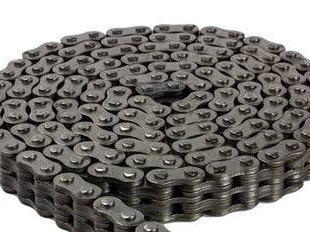
Surface treatments play a critical role in enhancing the durability and efficiency of industrial chains, which are essential components used across various manufacturing and processing applications. The primary objective of these technologies is to improve resistance to wear, corrosion, and other forms of degradation that can significantly impair the performance of industrial chains over time.
Corrosion, primarily driven by environmental factors such as humidity, temperature, and exposure to chemicals, poses a severe threat to the integrity of industrial chains. Without appropriate surface treatments, chains may exhibit reduced strength, leading to premature failure and increased operational costs. Similarly, wear from friction, which occurs during the chain's normal operation, can weaken the links and affect performance efficiency. Therefore, understanding the mechanisms and benefits of surface treatment is crucial for procurement and engineering decision-making.
The basic principle of surface treatment involves altering the surface characteristics of the material to enhance its performance. This can include processes like plating, coating, or heat treatment that modify the chain's surface attributes such as hardness, smoothness, and resistance to chemical attack. For instance, coatings designed to repel moisture can significantly reduce the rate of corrosion, while hardening treatments can improve wear resistance, thus prolonging the life of the chain.
In summary, selecting the appropriate surface treatment technology is vital for maintaining the operational efficiency and longevity of industrial chains. Decision-makers must consider factors such as the specific operational environment, load conditions, and maintenance strategies to ensure optimal performance. This careful selection not only affects the lifespan of industrial chains but also has broader implications for the efficiency and cost-effectiveness of their applications in diverse industries.
Overview of Zinc Plating Techniques
Zinc plating is a widely employed surface treatment technique for industrial chains, offering various options that enhance corrosion resistance while maintaining the integrity and functionality of the chains. The primary types of zinc plating include clear, yellow, and black zinc finishes. Each of these treatments serves distinct purposes and offers varying levels of protection against environmental factors.
Clear zinc plating provides a basic level of corrosion resistance, suitable for environments that are not excessively corrosive. Its performance is typically rated for about 72 hours in a salt spray test, as per ASTM B117 standards. By contrast, yellow zinc plating incorporates a chromate conversion process that enhances corrosion protection, achieving ratings of approximately 240 hours in the same salt spray test. This coating not only offers improved durability but also provides a distinctive aesthetic appeal.
Black zinc plating, while less common, is favored for its resistance to corrosion and friction reduction properties. This treatment can sometimes lead to a decrease in chain articulation due to potential increases in friction, a factor important to consider when choosing a plating type. The dimensions of chains may also experience slight variations post-plating due to the additional thickness that coating adds, thus potentially impacting fit and compatibility with other components.
When evaluating the cost of these treatments, clear zinc plating typically represents the most economical choice. Yellow and black zinc options are generally more expensive but provide significant long-term benefits in terms of corrosion resistance and durability, especially in harsh operating environments. Therefore, selecting the right zinc plating technique requires a careful analysis of operational conditions and economic considerations, ensuring optimal performance and longevity of the industrial chains employed.
Nickel Plating: Advantages and Application
Nickel plating is a widely adopted surface treatment method, particularly favored in the manufacturing of industrial chains due to its numerous advantages. One of the primary benefits of nickel plating is its outstanding corrosion resistance. Nickel-coated surfaces exhibit resilience against various corrosive environments, making them ideal for applications where chains are subjected to moisture, chemicals, and other detrimental elements. This property significantly extends the lifespan of industrial chains, thereby reducing maintenance costs and downtime.
In addition to its protective qualities, nickel plating can enhance the performance of chain moving parts. The smooth surface finish of nickel reduces friction, which promotes efficient movement and reduces wear over time. This translates to improved operational efficiency, especially in heavy-duty applications where machinery functions under high loads and speeds. It is important to note, however, that nickel plating can slightly alter the dimensions of the chain components. Typically, this modification is minimal and varies based on the thickness of the plating, which should be considered during the design phase to ensure compatibility with existing systems.
From a financial perspective, nickel plating presents a competitive option compared to other traditional surface treatments such as chrome plating or zinc coating. The cost-effectiveness of nickel plating is appealing, particularly when evaluating the long-term benefits associated with increased durability and lower maintenance needs. It is particularly recommended for environments characterized by exposure to corrosive substances and high operational loads, confirming its role as a valuable treatment method. In light of these factors, nickel plating proves to be an advantageous choice for enhancing the performance and longevity of industrial chains across various working conditions.
Understanding Black Oxide Coating
Black oxide coating, also known as blackening, is a widely employed surface treatment process for industrial chains, enhancing their durability, aesthetic appeal, and protective qualities. This process utilizes a chemical reaction to create a magnetic black oxide layer on the surface of metal substrates, bringing with it key benefits. One of the notable advantages of black oxide coating is its ability to significantly improve corrosion resistance. By forming a barrier against moisture and other corrosive agents, this treatment extends the lifespan of industrial chains, which are often exposed to harsh environments.
In addition to its corrosion resistance, black oxide coatings are known to have minimal impact on the articulation and friction of moving components. This means that chains treated with black oxide do not suffer a detrimental increase in friction, which could otherwise lead to excessive wear and tear. The dimensional ramifications of the coating are typically insignificant; however, it is still crucial for manufacturers to consider the thickness of the oxide film when engineering components to ensure interoperability and function.
Cost-effectiveness is another important aspect of black oxide coating. The process is relatively economical compared to other high-performance coatings, making it an attractive choice for industries requiring efficient and reliable surface treatment solutions. Black oxide coatings can be applied to steel and iron substrates without the need for additional priming layers, streamlining production processes while enhancing overall value.
The optimal use cases for black oxide coating span various environments, from mechanical assemblies in automotive applications to fasteners and equipment in the aerospace industry. Its unique properties make it especially suitable for applications where both appearance and resistance to corrosion are critical factors. Therefore, understanding the implications of black oxide coating is essential for any industry looking to optimize the performance and reliability of their industrial chains.
Phosphate Coating: Functionality and Applications
Phosphate coating is a widely recognized treatment utilized in the enhancement of metal components, specifically industrial chains. This surface treatment creates a thin layer of phosphate crystals, which plays a significant role in increasing corrosion resistance. By forming this protective barrier, phosphate coating effectively inhibits the oxidation process, thereby extending the service life of industrial chains, particularly in environments prone to moisture and various corrosive agents.
Moreover, the introduction of a phosphate coating can influence friction levels during chain movement. The coating's textured surface improves the performance of lubricants, allowing them to adhere more effectively, leading to reduced friction and wear. This property enhances the overall efficiency of chains, providing smoother operation and extended time between maintenance requirements. However, it is crucial to conduct thorough testing because excessive coating can lead to dimensional changes that may affect the fit within assemblies.
When evaluating the cost-effectiveness of phosphate coatings, it is essential to consider both the initial investment and the long-term savings associated with increased durability and reduced maintenance. Though the upfront costs may be higher compared to other treatments, the extended lifespan and enhanced performance often provide significant value over time. Additionally, phosphate coatings tend to be adaptable to various environmental conditions. They can be tailored to withstand specific atmospheric elements, making them suitable for diverse applications, such as automotive and aerospace industries, where durability is vital.
In conclusion, the functionality of phosphate coatings in providing corrosion resistance, enhancing lubricity, and maintaining dimensional integrity make them a favored option for industrial chains. Their adaptability to distinct environmental situations further solidifies their status as a practical surface treatment technology, ensuring optimal performance and longevity in various applications.
Advanced Treatments: Shot Peening and Fluoropolymer Coatings
Shot peening is an innovative surface treatment that enhances the fatigue life of industrial chains. This process involves bombarding the surface of the chain components with small spherical media, or "shots," which induce compressive residual stress. The result is improved resistance to stress concentration and extended operational lifespan, making it an essential technique for industries where chain performance is critical.
The benefits of shot peening extend beyond fatigue enhancement. The process can also reduce the potential for surface defects and improve the overall surface finish. However, it is essential to consider the impact on chain articulation; the introduction of compressive stress may alter the movement of chain links, requiring careful adjustment during installation. Furthermore, while shot peening does not typically induce significant dimensional changes, some applications might necessitate specific tolerances.
On the other hand, fluoropolymer coatings, such as PTFE, provide excellent corrosion resistance and reduce friction between moving parts. These coatings are particularly effective in harsh environments, protecting chains from various chemical exposures and preventing wear. The low friction characteristics of fluoropolymer coatings also contribute to smoother chain operation, thereby enhancing efficiency and reducing energy consumption.
When evaluating these advanced treatments, it is crucial to consider cost implications. While shot peening can be a more expensive initial investment due to specialized equipment and processing time, the long-term benefits of decreased chain failure and maintenance costs may offset these expenses. Fluoropolymer coatings may also require a higher upfront cost, but their durability and protective properties can lead to substantial savings over time.
Each treatment has its suitable applications, with shot peening being particularly beneficial for chains subject to cyclic loading, while fluoropolymer coatings excel in environments prone to corrosion. Assessing the operational conditions and chain specifications will guide the selection of the most effective surface treatment for enhanced performance and longevity.
Decision Matrix for Selecting Surface Treatments and Compliance Standards
Choosing the appropriate surface treatment for industrial chains is crucial for ensuring longevity and optimal performance. A decision matrix can serve as a valuable tool for procurement and engineering teams when determining which surface treatment is best suited for specific application environments. This matrix takes into account various factors such as environmental conditions, mechanical properties, and compliance with relevant standards.
For instance, in indoor dry conditions, surface treatments like zinc plating or black oxide may be sufficient, offering corrosion resistance while maintaining lubricity. Conversely, for outdoor humid environments, more robust solutions such as hot-dip galvanizing or polymer coatings provide enhanced protection against moisture and environmental degradation. For applications involving chemical washdown, surface treatments that resist corrosion and chemicals, such as fluoropolymer or nickel plating, are essential. Finally, in high-temperature applications, it may be necessary to utilize specialized coatings that withstand elevated temperatures without degrading.
Another critical aspect to consider during the selection process is compliance with regulatory standards such as the Restriction of Hazardous Substances (RoHS) and Registration, Evaluation, Authorisation and Restriction of Chemicals (REACH). These regulations are especially important for manufacturers targeting the European Union market, as they stipulate limitations on hazardous materials in products. Non-compliance can result in hefty fines and barriers to market entry, making adherence to these standards essential in product development.
The decision matrix not only assists in selecting the appropriate surface treatment but also helps ensure compliance with RoHS and REACH standards, thereby safeguarding manufacturers against potential legal and financial pitfalls. A well-considered surface treatment strategy can contribute significantly to the durability and functionality of industrial chains, ultimately leading to enhanced operational efficiency.
Quality
Expert chain manufacturing with 20 years experience.
GET IN TOUCH
Tel:+86-571 88065675 | +86-571 88842852
E-mail:oceanindustry@vip.163.com
Fax:+86-571 88844378
Address:4th Floor, Block 2, Qianjiang Century Industrial Park, 2327 Hongning Road,Ningwei Town,Hangzhou, China
© 2005. All rights reserved.
An OIC Group company