
The Essential Role of Conveyor Chains in Industrial Automation and Material Handling Systems
6/10/20267 min read
Introduction to Conveyor Chains in Industrial Automation
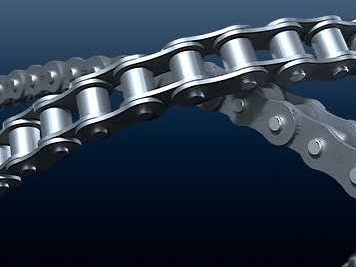
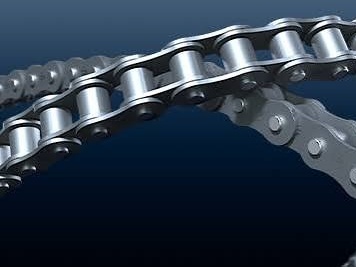
Conveyor chains are integral components in both industrial automation and material handling systems, facilitating the movement of products and materials throughout various manufacturing processes. These chains are designed to transport a wide array of items, from discrete products to bulk materials, efficiently and reliably. They operate on the principle of linking multiple segments together, creating a continuous loop that enables better control over the movement of goods.
In industrial settings, conveyor chains enhance operational efficiency by reducing the need for manual transportation of materials. This mechanization minimizes human intervention, thereby decreasing the likelihood of errors and injuries, while also streamlining workflow. Their robust design can handle heavy loads and challenging environments, which is essential for industries such as automotive, food processing, and pharmaceuticals, where maintaining high productivity and safety standards is paramount.
The functioning of conveyor chains is reliant on their structural integrity and the proper configuration of components, including sprockets, rollers, and guides. Sprockets engage with the teeth of the chains, allowing for smooth and consistent movement along predetermined paths. This design feature enables precise control over speed and positioning, vital aspects in automated production lines that require synchronization for sequential operations.
The integration of conveyor chains within material handling systems leads not only to increased throughput but also to improved reliability and maintenance. Today’s innovations, such as modular conveyor chains, provide enhanced flexibility, allowing manufacturers to adapt their systems to evolving production requirements and optimizing their layouts for maximum space efficiency.
Types of Conveyor Chains and Their Applications
In the vast landscape of industrial automation and material handling systems, various types of conveyor chains play a pivotal role. Each type is designed with specific functionalities suited to diverse applications, ensuring efficient material transportation and processing.
The most widely recognized type is the roller chain conveyor. This system employs linked roller chains that are engineered for high-load capacities and long distances. Common applications include manufacturing and assembly lines where heavy components are moved consistently. The reliability and strength of roller chains make them suitable for various industries, including automotive and aerospace.
Slat conveyors, on the other hand, consist of slats made from materials such as plastic or metal. These are particularly advantageous in situations where products require stability during transportation, such as in the packaging sector. Slat conveyors can be configured for inclined or horizontal use, catering to the specific needs of a production line.
Another significant type is the apron conveyor, which utilizes a series of overlapping plates or aprons. This design allows for the transportation of bulk materials, such as aggregates or heavy parts. Apron conveyors are ideal for environments with harsh conditions, including mining and metalworking industries, where durability is crucial.
Lastly, the overhead power-and-free conveyor system is essential in applications requiring flexible routing without the constraints typically associated with traditional conveyor systems. This type is often employed in manufacturing settings where processing involves pauses or stops at various workstations, offering increased efficiency in assembly processes.
In summary, understanding the various types of conveyor chains—roller chains, slat conveyors, apron conveyors, and overhead power-and-free conveyors—ensures that industries can select the most suitable solution for their specific material handling needs, thereby enhancing productivity and operational efficiency.
Drive Chain Configurations for Continuous and Intermittent Motion
In the realm of industrial automation and material handling systems, understanding the appropriate drive chain configurations is essential for optimizing performance. Drive chains are a critical component, facilitating the movement of materials and products within a system. Different applications may require either continuous or intermittent motion, each necessitating distinct chain configurations.
Continuous motion configurations generally involve a single drive chain that operates in a loop, constantly transmitting power to the conveyor system. This setup is commonly seen in processes requiring steady and uninterrupted material flow, such as assembly lines or packaging systems. The primary benefit of continuous drive chains is their ability to maintain high speeds and efficiency, minimizing downtime and enhancing productivity.
On the other hand, intermittent motion configurations are designed for applications where items require precise stopping and starting. These systems typically employ a drive chain that moves products incrementally along the conveyor. An example of this is in pick-and-place operations, where items may need to be positioned at exact intervals for further processing or inspection. Intermittent configurations excel in applications requiring careful handling, as they allow controlled movement and alignment of materials.
The choice between continuous and intermittent motion configurations not only influences the operational efficiency but also impacts the design of the entire material handling system. Continuous systems often require robust, high-tensile strength chains capable of withstanding constant stress. In contrast, intermittent systems may employ lighter chains designed for quick cycling and compact configurations. Understanding these configurations is crucial for engineers and designers to align system design with operational requirements effectively.
Accumulating Conveyor Chain Solutions
Accumulating conveyor chains play a vital role in modern material handling systems by efficiently managing product flow and optimizing space utilization in production environments. These systems are designed to accumulate products without the need for constant drive power, thereby preventing blockages that could disrupt the workflow. By utilizing accumulating conveyor chains, facilities can ensure a smooth transition of goods between different stages of production, reducing downtime and enhancing overall operational efficiency.
One of the primary benefits of accumulating conveyor chains is their ability to handle products of varying sizes and weights. This versatility allows them to be integrated into a wide range of material handling setups, including assembly lines, packaging systems, and distribution centers. The chain mechanisms can be configured to allow for specific product positioning, enabling more effective use of available space and reducing the likelihood of product damage during transport.
Moreover, accumulating conveyor chains can significantly contribute to reduced labor costs and improved safety within the workplace. By automating the flow of materials, these systems limit the need for manual handling, which can pose risks to workers. Additionally, the design of accumulating conveyors minimizes the chances of congestion, ensuring that products move seamlessly, thereby creating a more organized and efficient production environment.
In industries where continuous operation is critical, accumulating conveyor chain solutions are indispensable. They provide unmatched reliability and adaptability, allowing manufacturers to respond swiftly to changes in production demands. As automation technology advances, the integration of sophisticated control systems with accumulating conveyor chains is becoming increasingly common, further enhancing their functionality and performance.
Chain Selection for High-Speed Packaging Lines
In high-speed packaging lines, the selection of conveyor chains is crucial, as it directly impacts operational performance, product integrity, and overall efficiency of the system. One of the primary factors to consider is the speed and load requirements, as different applications impose varying levels of stress on the chain. Selecting chains that can withstand higher speeds while carrying significant loads without failure is essential. Failure to choose the appropriate chain can result in frequent breakdowns, which can disrupt production schedules.
Durability is another vital criterion. Chains need to be constructed from robust materials that resist wear and corrosion, particularly in environments where exposure to moisture, chemicals, or temperature fluctuations is common. A durable conveyor chain not only ensures consistent operation but also reduces maintenance costs and extends the lifespan of the packaging line. Regular assessments of the chain material and design are necessary to confirm they meet the specific demands of the packaging application.
Moreover, the lubrication of the chain should not be overlooked as it plays a significant role in reducing friction and preventing wear. Proper lubrication strategies need to be employed according to the chain type and the operational environment. Automated lubrication systems can be beneficial in high-speed packaging lines, ensuring that chains are adequately lubricated without excessive downtime for maintenance.
Additionally, it is vital to consider the compatibility of the chain with other system components, such as sprockets and guides. This compatibility ensures smooth operation and minimizes the risk of breakdowns. In conclusion, careful consideration of performance criteria such as speed, load capacity, durability, and maintenance needs when selecting conveyor chains will enhance productivity and minimize downtime in high-speed packaging lines.
Special Requirements for Conveyor Chains
In the realm of industrial automation and material handling systems, conveyor chains must often adhere to specific requirements dictated by the industry in which they operate. These specialized needs ensure optimal performance, safety, and longevity in various environments.
For the food and beverage industry, one of the most crucial requirements is washdown compatibility. Conveyor chains used in these settings must withstand regular cleaning processes involving high-pressure water and cleaning agents. Chains that lack washdown compatibility can corrode or degrade, which not only compromises operational efficiency but also poses a risk to food safety. Manufacturers often employ materials resistant to moisture and chemicals, enhancing the chain’s durability and maintenance ease.
Another significant requirement arises in high-temperature environments, such as paint and curing ovens. Chains operating in these conditions must be fabricated from materials that can endure elevated temperatures without losing structural integrity or functionality. High-temperature conveyor chains are typically made from specialized alloys or coatings that resist deformation and wear, thus ensuring reliable performance throughout the production cycle.
Moreover, the electronics assembly industry often necessitates the use of anti-static conveyor chains. In environments where sensitive electronic components are handled, static electricity can lead to significant damage. Anti-static chains are engineered using materials that dissipate static charges, preventing potential hazards associated with electrostatic discharge (ESD). This requirement is vital for maintaining the integrity of delicate electronic products during their assembly and transport.
By understanding the particular requirements of each industry, businesses can select the appropriate conveyor chains, ensuring their material handling systems operate efficiently and safely. Ultimately, these specialized conveyor chains play a pivotal role in enhancing productivity and achieving industry compliance.
The Importance of Proper Chain Specification and Its Impact on Downtime
In the realm of industrial automation and material handling systems, proper chain specification plays a pivotal role in ensuring operational efficiency and minimizing downtime. The selection of the right conveyor chain significantly influences the overall performance of the machinery. A correctly specified chain will function optimally, reducing the risk of failures that can lead to costly interruptions in production.
When selecting a conveyor chain, it is essential to consider factors such as load capacity, speed, and environmental conditions. Each application may require specific chain materials and designs to withstand unique operational challenges. Furthermore, a thorough understanding of the material being transported and the cycle frequency is crucial in selecting a compatible chain. This will not only enhance performance but also prolong the lifespan of the equipment.
Additionally, regular maintenance of conveyor chains is vital to prevent unforeseen breakdowns. Implementing a maintenance schedule that includes periodic inspections, lubrication, and tension adjustments significantly reduces the likelihood of chain-related downtime. Monitoring wear levels and replacement intervals based on usage data can also aid in ensuring that the system remains operational without unexpected interruptions.
Investing in quality chain products and adhering to best practices for chain selection and maintenance ultimately translates to long-term benefits. Not only does it save time and resources by avoiding interrupted operations, but it also enhances productivity and reduces operational costs associated with frequent chain replacements and repairs. Therefore, prioritizing proper chain specification should be a fundamental aspect of any industrial automation strategy aimed at ensuring reliable material handling and operational success.
Quality
Expert chain manufacturing with 20 years experience.
GET IN TOUCH
Tel:+86-571 88065675 | +86-571 88842852
E-mail:oceanindustry@vip.163.com
Fax:+86-571 88844378
Address:4th Floor, Block 2, Qianjiang Century Industrial Park, 2327 Hongning Road,Ningwei Town,Hangzhou, China
© 2005. All rights reserved.
An OIC Group company