
A Comprehensive Guide to Industrial Chain Types and Their Optimal Applications
6/5/20267 min read
Introduction to Industrial Chains
Industrial chains play a vital role in various mechanical systems, serving as a crucial component in applications such as conveyors, gear drives, and power transmission systems. Their primary function is to facilitate the reliable transmission of mechanical power and motion between different parts of machinery. Understanding the concept of industrial chains involves recognizing their design and construction, which are tailored to meet the specific demands of diverse operational environments.
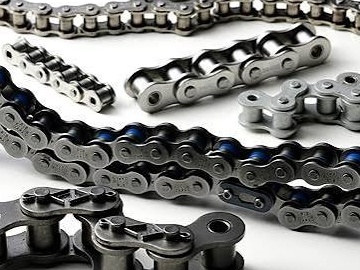
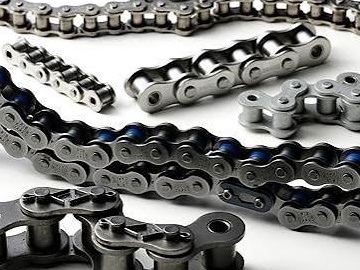
This comprehensive guide aims to empower design engineers and equipment specifiers with knowledge about the various types of industrial chains available in the market. Each type has unique structural features that make it suitable for specific applications. For instance, roller chains, which consist of a series of cylindrical rollers, are renowned for efficiency in power transmission. On the other hand, block chains, often employed in lifting applications, are specifically crafted for handling heavier loads. These structural characteristics influence the choice of chain, making it imperative for professionals to have a thorough understanding when selecting the ideal type for their needs.
The objective of this guide is not only to present the different types of industrial chains but also to illustrate their functional applications in various industries. Selecting the appropriate chain type is critical for ensuring operational efficiency, reliability, and longevity of equipment. Engineers must assess several factors, such as load capacity, speed, and environmental conditions, before making a selection. By familiarizing themselves with the nuances of industrial chains, professionals can optimize their systems for better performance and reduced maintenance efforts.
Roller Chains: Single, Double, and Triple Strand
Roller chains are pivotal components in various industrial applications, facilitating efficient power transmission and material handling across multiple sectors. These chains utilize a series of interconnected links, with roller elements that enable smooth movement along sprockets. Understanding the structural features and performance characteristics of roller chains is essential to select the appropriate type for specific applications.
Single strand roller chains consist of a single row of links and are commonly used in light to moderate load scenarios. Their simplicity makes them a cost-effective option for applications like light conveyor systems and small-scale machinery. However, their load capacity is somewhat limited, making them unsuitable for heavier-duty scenarios. In contrast, double strand roller chains incorporate two rows of links, doubling the load-bearing capabilities while maintaining a similar pitch to their single counterparts. This enhancement allows for greater efficiency in applications requiring higher torque and strength, such as heavy conveyor systems and robust material handling.
Triple strand roller chains offer the highest level of load capacity and durability among the three variations. This design features three parallel strands of links, which distribute weight effectively and enable seamless power transmission in applications involving heavy machinery and complex conveyor lines. Due to their robust construction, triple strand chains are particularly suited for environments where reliability is crucial, such as automotive assembly lines and large-scale manufacturing processes.
Each type of roller chain has its operational speed limitations, with single strand chains typically allowing higher speeds compared to double and triple strands, which may induce more stress due to their added mass. Careful consideration of load requirements, environmental conditions, and expected speeds will ultimately guide the optimal selection of roller chains for diverse applications.
Silent Chains: Inverted Tooth Designs
Silent chains, particularly those featuring inverted tooth designs, represent a significant advancement in the realm of industrial chain technology. The unique construction of inverted tooth silent chains allows for a more efficient engagement with sprockets. Unlike traditional roller chains, these designs minimize the impact noise typically associated with chain operation, making them ideal for applications where noise reduction is a priority.
An inverted tooth silent chain consists of chain links that possess tooth-shaped projections, which mesh with sprocket teeth. This engagement not only enhances the overall smoothness of operation but also reduces stress on the chain and sprocket system, ultimately decreasing wear and prolonging service life. Such design features lead to better performance under high-load conditions, making them suitable for various industrial applications.
The load capacities of silent chains can vary widely based on their design and manufacturing materials. However, they generally excel in applications requiring high tension and precision. For instance, these chains can accommodate a load capacity ranging from light to heavy-duty depending on the specific engineering and material choices made during production. Common uses include automotive applications, conveyor systems, and specialized machinery where noise constraints are stringent.
Overall, the adoption of inverted tooth silent chains is becoming increasingly prevalent in industries aiming to enhance operational efficiency while minimizing noise pollution. Their ability to perform under diverse load conditions while mitigating wear positions them as a superior choice in environments that demand both durability and discretion. As more industries move towards automated solutions, the relevance of silent chains is anticipated to grow, further establishing them as a vital component in modern manufacturing and machinery.
Engineering Steel Chains and Their Applications
Engineering steel chains represent a significant segment of industrial chain types, characterized by their robust structural features and outstanding load capacities. Typically crafted from high-quality steel, these chains are designed to withstand extreme conditions, making them particularly suitable for heavy-duty applications. The structural integrity of engineering steel chains is enhanced through meticulous manufacturing processes that include heat treatment and precision machining, which contribute to their exceptional strength and durability.
One of the most notable attributes of engineering steel chains is their ability to transport and elevate heavy loads efficiently. These chains exhibit remarkable tensile strength, allowing them to handle significant weight without deformation or failure. Their load-bearing capabilities make them ideal for use in environments such as large-scale manufacturing facilities, construction sites, and various industrial machinery settings where reliability is critical.
However, it is important to consider the operational limits of engineering steel chains, particularly in terms of speed. While these chains can effectively support heavy loads, their design may impose speed restrictions. It is crucial for engineers and operators to evaluate the speed requirements of specific applications to ensure compatibility with the chains employed. Applications that benefit most from engineering steel chains include heavy-duty material handling, assembly lines, and conveyor systems, where their high load capacities can be fully leveraged.
Furthermore, when selecting engineering steel chains for a particular application, factors such as the environment, operational frequency, and load type must be considered. By understanding these elements, businesses can enhance their operational efficiency while ensuring the longevity of their equipment. The integration of engineering steel chains into industrial operations not only streamlines processes but also contributes to overall productivity.
Cast Combination Chains and Their Versatility
Cast combination chains are engineered to provide superior strength, durability, and versatility in various industrial applications. These chains are typically formed by combining cast components that allow for specialized designs tailored to specific operational needs. The unique structure of cast combination chains often incorporates a series of links that include both roller and solid components. This combination ensures enhanced load-bearing capacity while maintaining flexibility, making them suitable for varied applications in different sectors.
One of the defining features of cast combination chains is their impressive load capacity range. Depending on the design and material composition, these chains can support significant weights, allowing for efficient operation under demanding conditions. In material handling operations, for example, cast combination chains can facilitate the movement of heavy items with ease, significantly increasing productivity. This characteristic also renders them ideal for use in agricultural machinery, where consistent and reliable performance is paramount.
The versatility of cast combination chains extends into various sectors, showcasing their applicability across an array of operational contexts. They are frequently utilized in heavy industries, including mining and construction, where robust and resilient solutions are critical. In agricultural setups, farmers rely on these chains in equipment such as conveyor systems and feed production, where their adaptability plays a crucial role in enhancing operational efficiency. Furthermore, these chains are employed in the automotive industry, often found in assembly lines where reliability and precision are vital.
In essence, cast combination chains offer unmatched versatility and reliability, making them essential components across numerous industries. Their capacity to accommodate varying loads and their adaptability to diverse environments underscore their importance in the manufacturing and agricultural sectors.
Stainless Steel Chains for Corrosive Environments
Stainless steel chains are specifically engineered to perform optimally in corrosive environments where traditional materials may fail. The corrosion resistance of these chains is attributed to the incorporation of chromium and nickel in the steel alloy, offering a protective layer that safeguards against oxidation and degradation. This property makes stainless steel chains a preferred choice in various industries, particularly in settings that involve moisture, chemicals, and other harsh conditions.
In terms of structural features, stainless steel chains are robust and capable of handling substantial loads. They are designed to resist wear and tear, ensuring longevity even when subjected to rigorous operating conditions. The load capacities of these chains can vary based on their construction; however, most stainless steel chains can support significant weights, making them suitable for heavy-duty applications. It is crucial to assess the specific load requirements of machinery to select the appropriate chain type.
Furthermore, stainless steel chains come with specific speed limitations that must be adhered to in order to maintain operational effectiveness. While these chains can operate efficiently at moderate speeds, exceeding the recommended limits may lead to degraded performance and reduced lifespan. Therefore, understanding the speed characteristics is essential for effective utilization.
Industries such as food processing and chemical manufacturing are prime examples where stainless steel chains excel. In food processing, the chains must meet stringent hygiene standards, and stainless steel is inherently clean and easy to sanitize, thus preventing contamination. In chemical industries, these chains resist the corrosive effects of various chemicals, ensuring reliable operation in adverse conditions.
Comparison Table and Manufacturer's Capabilities
In the realm of industrial chains, understanding the specifications is imperative for optimizing performance in various applications. Below is a comprehensive comparison table that highlights key parameters such as tensile strength, elongation rates, and maintenance intervals for several common types of chains. These metrics are essential for identifying which chain type is most suited for specific operational needs, regardless of whether the application involves high-speed conveyors or heavy-duty mining equipment.
| Chain Type | Tensile Strength (N) | Elongation Rate (%) | Maintenance Interval (Hours) |
|---|---|---|---|
| Roller Chain | 3000 | 2 | 100 |
| Leaf Chain | 3500 | 1.5 | 150 |
| Block Chain | 4000 | 2.5 | 200 |
Manufacturers today have the capability to produce over 20 chain series tailored specifically to meet the diverse needs of their customers. This ability to create custom solutions is increasingly vital as industries evolve, requiring specialized chains that can withstand unique conditions or perform under particular demands. For instance, the capability to modify tensile strength and elongation rates offers manufacturers a competitive edge when addressing the specialized requirements of various sectors, including automotive, manufacturing, and logistics.
Ultimately, engaging with a manufacturer that understands the importance of customization enables industries to enhance efficiency and reduce downtime. By collaborating with experts in industrial chains, businesses can ensure they receive the optimal product that aligns with their operational goals and challenges.
Quality
Expert chain manufacturing with 20 years experience.
GET IN TOUCH
Tel:+86-571 88065675 | +86-571 88842852
E-mail:oceanindustry@vip.163.com
Fax:+86-571 88844378
Address:4th Floor, Block 2, Qianjiang Century Industrial Park, 2327 Hongning Road,Ningwei Town,Hangzhou, China
© 2005. All rights reserved.
An OIC Group company