
Material Selection and Heat Treatment Processes for Industrial Chains
6/1/20267 min read
Introduction to Industrial Chains
Industrial chains are critical components utilized in various mechanical systems across a multitude of industries. These chains serve the primary purpose of transferring power and motion, playing an essential role in applications such as conveyors, lifts, agriculture, and machinery. Due to their function, industrial chains are subject to significant wear and stress, making their design and material composition crucial for performance and longevity.
The performance of industrial chains largely depends on the selection of appropriate materials, which must endure harsh working conditions while maintaining high levels of strength and durability. Various types of materials can be employed, such as carbon steels, alloy steels, and stainless steels, each offering distinct properties suited for specific operational demands. For instance, carbon steels demonstrate excellent strength characteristics, while stainless steels provide corrosion resistance, which is critical in environments exposed to moisture or chemicals.
In addition to material selection, heat treatment processes also significantly influence the performance of industrial chains. Heat treatment techniques, such as quenching and tempering, can enhance the mechanical properties of the materials used, improving factors like tensile strength, ductility, and wear resistance. Proper heat treatment can effectively mitigate issues related to fatigue and wear, extending the operational lifespan of the chains under heavy usage.
This introductory overview highlights the importance of industrial chains, their diverse applications, and the essential roles played by material selection and heat treatment processes. As we delve deeper into the specifics of materials and the intricacies of heat treatment, it becomes evident that these factors are integral to the development of robust and reliable industrial chain systems.
Common Materials Used in Industrial Chains
Industrial chains are essential components in various machinery and applications, requiring materials that offer durability, strength, and corrosion resistance. Several common materials are employed in the manufacturing of industrial chains, each with unique properties and applications.
40Mn alloy steel is one of the most utilized materials for industrial chains. This steel offers excellent tensile strength and resilience, making it suitable for high-load applications. The tempering process also enhances its toughness without compromising ductility, allowing chains made of 40Mn to endure harsh operating conditions. It is often used in heavy-duty environments such as construction and mining.
Stainless steel, particularly grade 304 and 316, is another prevalent choice. Grade 304 possesses good corrosion resistance and is often employed in environments that do not experience extreme conditions. In contrast, grade 316 stainless steel provides superior resistance to pitting and crevice corrosion, making it ideal for marine and chemical applications. The inherent aesthetic appeal and hygiene properties of stainless steel make it a preferred option in food processing industries.
Nickel-plated steel is also common, especially in applications requiring enhanced corrosion resistance while maintaining strength. The nickel plating acts as a protective barrier, making these chains suitable for use in moist environments or applications subject to chemical exposure. Furthermore, they can sometimes be lighter than traditional steel options, improving overall efficiency.
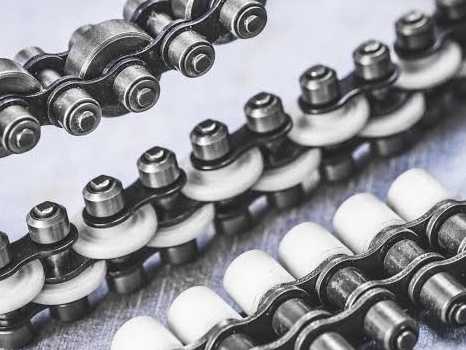
Finally, plastic or composite rollers have gained popularity due to their lightweight nature and resistance to corrosion. These materials offer lower noise levels during operation and can withstand certain chemical exposures, making them useful in automation and conveyor systems. While they may not have the same load-bearing capacities as metal counterparts, their unique attributes make them suitable for specific applications.
Carburizing vs. Induction Hardening: A Comparative Analysis
In the context of industrial chains, specifically focusing on chain pins and bushings, both carburizing and induction hardening are prevalent heat treatment processes that aim to enhance the wear resistance and durability of these components. While both processes share the common goal of increasing surface hardness, they employ different mechanisms and offer unique advantages and disadvantages.
Carburizing is a case-hardening technique that involves the introduction of carbon into the surface layer of steel at high temperatures, typically between 850 to 950 degrees Celsius, while the core remains comparatively softer. The diffusion of carbon atoms increases the hardness and wear resistance of the components, resulting in a tough outer layer that can withstand significant stress and wear. This process is highly beneficial for components subjected to dynamic loads, making it suitable for chain pins and bushings where a balance between toughness and surface hardness is critical.
On the other hand, induction hardening utilizes a high-frequency electrical current to heat the surface of the steel rapidly, followed by a rapid quenching process. This method achieves a hardened surface layer while preserving the ductility of the core, which is essential for maintaining overall component integrity. Induction hardening is often executed in shorter timeframes, making it more energy-efficient. Additionally, it can target specific areas for hardening, which is particularly useful for chain components that may experience uneven wear patterns.
However, both methods come with their respective drawbacks. Carburizing may require longer processing times and can produce distortions in complex shapes, whereas induction hardening may not provide the same depth of hardness compared to carburizing. Therefore, the selection between these processes largely depends on the specific application requirements, including the operational environment, load conditions, and desired performance characteristics.
Understanding Surface Hardness Targets for Chain Components
The target surface hardness for industrial chain components typically falls within the range of Hardness Rockwell C (HRC) 40 to 58. This specification is critical for ensuring the performance, durability, and reliability of chains used in various applications, from automotive to manufacturing. Achieving the right surface hardness helps mitigate risks associated with wear and fatigue, which can significantly impact the lifespan of chain components.
The primary reason for maintaining a surface hardness within this specified range is to enhance wear resistance. As chains are subjected to wear due to constant movement and mechanical stress, a harder surface is less prone to deformation and degradation. Furthermore, if the surface hardness is too low, it will lead to accelerated wear, thereby shortening the lifespan of the chain. Conversely, if the hardness is excessively high, it could result in brittleness, potentially leading to catastrophic failure under mechanical loads.
To measure surface hardness, various methods are employed, including the Rockwell hardness test, Vickers hardness test, and Brinell hardness test. The Rockwell test is particularly popular due to its quick and straightforward process. It involves applying a specific load to an indenter pressed into the material to assess its resistance to permanent deformation. Proper measurement is essential to validate that the chain components meet the targeted specifications, ensuring optimal performance when fitted into machinery.
Ultimately, achieving the desired surface hardness directly influences the overall durability and performance of industrial chains. By adhering to the established HRC specifications, manufacturers can improve not only the longevity of their products but also their efficiency under various operating conditions. The synergy between appropriate material selection and rigorous heat treatment processes plays a vital role in reaching these hardness targets, contributing to superior chain functionality in demanding environments.
Impact of Material Choice on Chain Life in Different Environments
The selection of materials for industrial chains plays a crucial role in determining their longevity and performance across various operating environments. Chains are often subjected to different conditions, primarily abrasive and corrosive environments, which can significantly influence their wear rates and overall durability.
Abrasion typically occurs in environments where chains come into contact with rough surfaces or abrasive particles. In such cases, materials with higher hardness and wear resistance, such as carbon steel or hardened alloys, are preferred. These materials are designed to withstand the mechanical wear caused by friction and impact, thereby extending the overall life of the chain. For instance, chains used in mining or construction applications frequently encounter harsh environments, making the choice of materials resistant to abrasive wear essential for maintaining operational efficiency.
On the other hand, corrosive environments present a different challenge altogether. Exposure to moisture, chemicals, or saltwater can lead to significant degradation of chain materials over time. In these circumstances, materials such as stainless steel or specialized coated chains are critical for preventing rust and corrosion, which can compromise structural integrity and function. Real-world case studies underscore this point: chains used in food processing industries, which are subject to regular cleaning with harsh chemicals, exhibit markedly improved life spans when constructed from corrosion-resistant materials compared to standard steel options.
It is evident that the environmental context directly influences the wear mechanisms affecting chains. Understanding this relationship is vital for manufacturers and end-users alike, as it drives informed decision-making in the material selection process. By paying careful attention to the operating conditions, organizations can choose materials that not only enhance the longevity of industrial chains but also improve the reliability of the entire system in which they operate.
Selecting Chain Materials for Specific Applications
When selecting chain materials for industrial applications, it is crucial to consider the operational environment to ensure that the chosen material can withstand specific conditions and requirements. Different applications, such as food processing, outdoor or marine settings, and high-temperature environments, present unique challenges that necessitate careful material selection.
In the food processing industry, compliance with stringent health standards is non-negotiable. Therefore, selecting materials that meet FDA regulations is imperative. Stainless steel chains, particularly those made from grades such as 304 or 316, are ideal choices due to their corrosion resistance, ease of cleaning, and durability. Utilizing chains made from FDA-compliant materials not only ensures safety but also enhances the longevity of the equipment in a high-hygiene environment.
For applications in outdoor or marine settings, the environmental impact on materials cannot be overlooked. Galvanized steel is often preferred for its protection against rust and corrosion, making it suitable for outdoor use. However, in more corrosive environments, such as saltwater exposure, stainless steel, particularly marine-grade alloys, provides greater protection against environmental stressors. These materials maintain structural integrity over extended periods, ensuring operational reliability.
High-temperature applications also warrant special consideration when it comes to chain material selection. Chains that operate in environments where temperatures can soar to 400°C must be made from materials specifically designed to withstand such extremes. High-temperature alloys, or specialized heat-treated steels, provide the necessary durability while avoiding deformation or failure under duress. When selecting chains for these applications, attention must be paid to the thermal properties and the potential for oxidation, ensuring optimal performance during high thermal stress.
Metallurgical Testing Protocols for Chain Raw Materials
The integrity and reliability of industrial chains are fundamentally linked to the quality of the raw materials used in their manufacture. Consequently, implementing robust metallurgical testing protocols is essential in evaluating these materials before production commences. Common methods employed in metallurgical testing include tensile strength testing, hardness testing, and microstructural analysis, all of which are critical in determining the mechanical properties and overall chemical composition of the raw materials.
Tensile strength testing measures a material's resistance to being pulled apart, providing invaluable data on how the material will perform under load. This information is crucial as it directly relates to the chain's ability to withstand operational stresses. Hardness testing, on the other hand, assesses a material's resistance to deformation, which can indicate how the chain will respond to wear and tear during use. Microstructural analysis, involving techniques such as optical microscopy or scanning electron microscopy, allows for a detailed examination of the internal structure of the material, identifying any potential defects or inconsistencies that could compromise functionality.
Certification of raw materials is another key aspect of metallurgical testing. Suppliers should ideally provide certification documents verifying that the materials meet specific industry standards. This certification serves as a warranty of quality, ensuring that materials are tested according to recognized protocols and specifications. Adhering to such testing and certification protocols not only enhances product reliability but also fosters trust between manufacturers and their clients.
Employing these metallurgical testing protocols contributes significantly to the overall performance of chains within various industrial applications. With rigorous testing, manufacturers can ensure that the raw materials utilized in production are of the highest quality, leading to durable and efficient chain solutions that meet or exceed expectations.
Quality
Expert chain manufacturing with 20 years experience.
GET IN TOUCH
Tel:+86-571 88065675 | +86-571 88842852
E-mail:oceanindustry@vip.163.com
Fax:+86-571 88844378
Address:4th Floor, Block 2, Qianjiang Century Industrial Park, 2327 Hongning Road,Ningwei Town,Hangzhou, China
© 2005. All rights reserved.
An OIC Group company