
A Practical Guide to Sourcing Multi-Row Roller Chains
5/27/20262 min read
Understanding Multi-Row Roller Chains
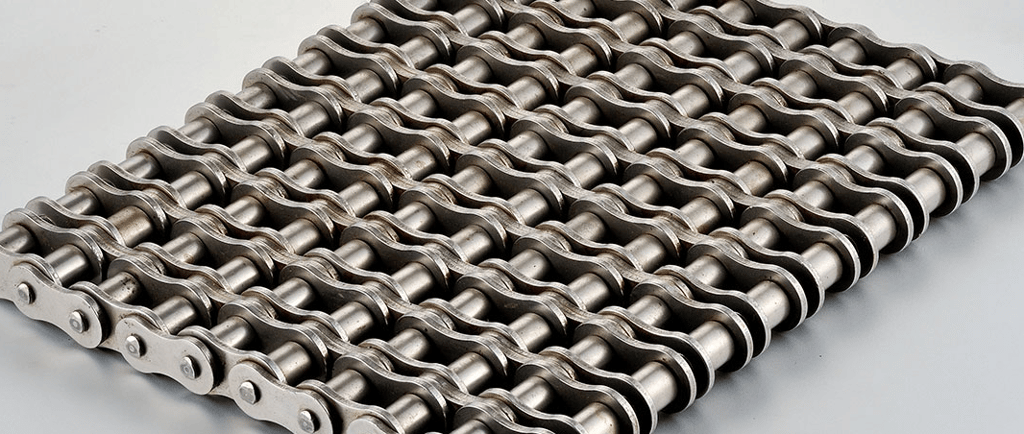
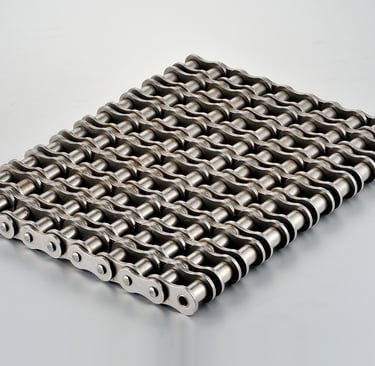
Multi-row roller chains are essential components in various mechanical applications, particularly in industries requiring heavy-duty power transmission. When sourcing multi-row roller chains, purchasers must ensure they understand key parameters that influence performance and durability. In this guide, we will cover critical aspects such as the number of rows, pitch, tensile strength, plate thickness, surface treatment, and connecting accessory types that should be considered when ordering these important components.
Key Parameters for Ordering Multi-Row Roller Chains
The first parameter to consider when purchasing multi-row roller chains is the number of rows. Chains may come in various configurations, including double, triple, or even quadruple rows. The appropriate number of rows will depend on the specific application requirements, including load capacity and operational dynamics.
Next is the pitch, which refers to the distance between adjacent pins in the chain. Pitch is a critical measurement as it determines the chain's compatibility with sprockets; thus, it must align with the machinery specifications. Ensuring this match helps avoid operational inefficiencies and enhances overall system performance.
Tensile strength is another fundamental characteristic to assess. It defines the maximum load the chain can sustain without failure. When sourcing, choose a supplier who can provide detailed tensile strength ratings and ensures that the chains can withstand your application’s demands. Choosing chains with inadequate tensile strength can lead to premature failures, affecting productivity and safety.
Plate thickness also affects the durability and load-bearing capacity of the chain. Thicker plates generally indicate a more robust chain, necessary for high-stress applications. Always inquire about the plate thickness before making a purchase to ensure it meets the operational conditions and doesn't compromise performance.
Identifying Flaws and Inferior Materials
When evaluating prospective suppliers, it is essential to understand how to identify potential defects or inferior qualities in roller chains. Uneven load distribution can often be traced back to manufacturing inconsistencies or inadequate design. Look for signs of wear or deformation on the chain itself.
A loose fit is another sign of a potential issue, as it can lead to increased wear and tear over time. Ensure proper fitting during installation to maintain optimal performance. Additionally, it’s crucial to scrutinize the raw materials used in the manufacturing process. Inferior materials may result in a shorter lifespan and increased failure rates.
Working with a reputable supplier like Hangzhou Ocean Industry Co., Ltd. is vital. They specialize in multi-row chain production and have established quality control measures to address these concerns effectively. By partnering with a supplier known for reliability and quality, equipment purchasers can enhance operational efficiency and reduce the risk of failures.
Quality
Expert chain manufacturing with 20 years experience.
GET IN TOUCH
Tel:+86-571 88065675 | +86-571 88842852
E-mail:oceanindustry@vip.163.com
Fax:+86-571 88844378
Address:4th Floor, Block 2, Qianjiang Century Industrial Park, 2327 Hongning Road,Ningwei Town,Hangzhou, China
© 2005. All rights reserved.
An OIC Group company