
Comparative Analysis of Heavy-Duty Roller Conveyor Chains and Flat Top Paper Roll Transport Chains in Paper Mills
5/15/20267 min read
Introduction
Efficient material handling is a critical component in the operations of paper mills, particularly when facilitating the transportation of large paper rolls. The process of transferring these substantial products requires specific equipment and mechanisms that ensure both speed and safety while minimizing wear and tear. As production systems continue to evolve, the focus on selecting the right type of conveyor chain has become increasingly significant. Two prominent technologies utilized in this context are heavy-duty roller conveyor chains and flat top paper roll transport chains. Each variant boasts unique characteristics that can greatly influence operational efficiency, maintenance requirements, and overall cost-effectiveness.
This blog post aims to provide a comparative analysis of these two types of conveyor chains, focusing on various engineering parameters that are vital for paper mill equipment engineers and procurement managers. By examining factors such as load capacity, wear resistance, flexibility, and installation ease, this analysis seeks to provide insights that would assist decision-makers in selecting the most appropriate technology for their material handling needs. Additionally, the practical implications of choosing between heavy-duty roller conveyor chains and flat top paper roll transport chains will be explored in depth.
This comparison is particularly pertinent as both types of chains offer distinct advantages suited to different operational requirements. Understanding the limitations and strengths of each can help enhance performance metrics, reduce downtime, and streamline logistics within the paper manufacturing domain. In the sections that follow, we will delve into the specific characteristics, applications, and operational impacts of these conveyor chains, paving the way for informed decision-making in the procurement process.
Load Bearing Capacity
The load-bearing capacity of conveyor chains is a critical factor for their performance, especially in environments such as paper mills where heavy loads, such as large paper rolls, are frequently transported. Heavy-duty roller conveyor chains are engineered to handle substantial loads due to their robust structure and material composition. Typically, these chains are rated based on the tonnage they can safely support, which varies depending on the model and design. For instance, heavy-duty roller chains can often support loads ranging from 1 ton to over 10 tons, depending on the number of links, width, and material used.
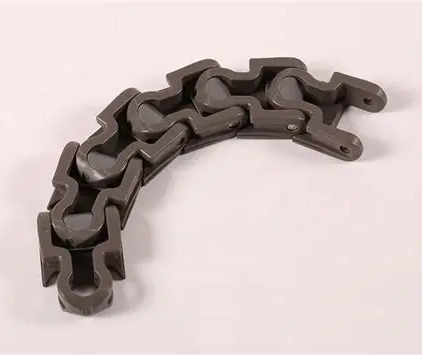
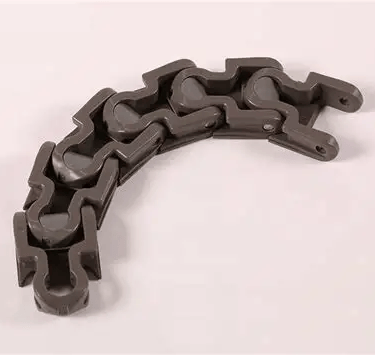
On the other hand, flat top paper roll transport chains are designed with specific applications in mind, particularly for transporting flat rolls of paper. These chains often feature a wider top surface and a smoother design to facilitate easier loading and unloading. The load-bearing capacity of these chains can be lower than that of heavy-duty roller chains, typically ranging from 0.5 tons up to 3 tons. The unique design of flat top chains minimizes friction and maximizes stability, which is critical when handling large paper rolls to prevent issues such as tipping or falling.
When determining the most suitable type of chain for transporting large paper rolls, one must consider both the weight of the rolls and the dynamics of the conveyor system. For extremely heavy loads, heavy-duty roller conveyor chains are preferable due to their higher load-bearing ratings and durability. However, for lighter paper rolls, flat top transport chains can provide adequate support while ensuring smoother transitions. Ultimately, selecting the right type of chain is crucial to minimizing the risk of breakage or failure, ensuring efficient operation within paper mill environments.
Surface Flatness and Stability
The performance of conveyor chains in paper mills, particularly in the transportation of large paper rolls, hinges significantly on surface flatness and overall stability. When assessing heavy-duty roller conveyor chains and flat top paper roll transport chains, surface flatness emerges as a critical parameter affecting not only the efficiency of transport but also the integrity of the paper rolls being moved.
Heavy-duty roller conveyor chains typically exhibit a robust structure, designed to carry substantial loads. However, their surface flatness can vary, which may lead to uneven contact with paper rolls during transport. This unevenness can potentially cause roll deformation, especially under significant weight and pressure. Deformations during the winding and slitting processes pose significant risks, as they can lead to paper defect issues or even material loss. This could ultimately impact the quality and finish of the final product.
On the other hand, flat top paper roll transport chains are engineered specifically for carrying paper rolls with a high degree of surface flatness. Their design allows for a continuous, even surface that reduces the chances of roll deformation during movement. By providing a stable transport platform, these chains ensure that the rolls are maintained intact throughout the various processes in the workshop. The flatness characteristic of these chains minimizes friction and uneven load distribution, facilitating smoother operation and reducing the risks associated with handling large paper rolls.
In the context of a paper mill, the choice between heavy-duty roller conveyor chains and flat top paper roll transport chains should consider the requirement for flatness and stability. Ultimately, ensuring that paper rolls remain stable and intact throughout conveyor transport is vital to maintaining operational efficiency and producing high-quality paper products.
Anti-Slip Performance
In the realm of conveyor chains utilized within paper mills, the anti-slip performance is a vital consideration, particularly when contrasting heavy-duty roller conveyor chains and flat top paper roll transport chains. Heavy-duty roller conveyor chains are meticulously engineered with features such as enhanced pitch, robust rollers, and specific materials that contribute to a strong grip. These attributes ensure that the load remains securely in place during transit, thus minimizing the risk of slippage. The design of these chains allows for efficient engagement with the sprockets, offering high stability under varying load conditions.
On the other hand, flat top paper roll transport chains prioritize a smooth, flat surface that ensures uniform support across the load area. The flat top design aids in preventing items from sliding off altogether, making it particularly suitable for handling delicate or unwieldy paper rolls. Additionally, the flat top chains often incorporate frictional materials or texture to further enhance their anti-slip capabilities. This design feature is crucial in settings where maintaining product integrity during transport is of utmost importance.
The implications of these anti-slip performance capabilities extend to safety and efficiency. In environments where high-speed operations are common, the cost of slippage could lead to not only equipment damage but also workplace accidents. Therefore, selecting the appropriate chain based on its anti-slip attributes is imperative. Scenarios such as navigating inclines, handling excessive weights, or transporting raw materials exposed to moisture highlight the necessity for slip prevention. In such cases, both heavy-duty roller conveyor and flat top paper roll transport chains provide critical safeguards, albeit through different engineering solutions.
Wear Resistance and Durability
The longevity and overall performance of conveyor chains are significantly influenced by their wear resistance and durability, especially in demanding environments such as paper mills. Heavy-duty roller conveyor chains and flat top paper roll transport chains are particularly designed to endure intense operational conditions, but they exhibit distinctive characteristics in terms of material composition and protective treatments.
Heavy-duty roller conveyor chains typically utilize high-strength steel alloys, known for their remarkable resistance to wear and fatigue. These materials are often subjected to heat treatment processes that enhance their mechanical properties, thereby promoting lifespan. For instance, a common practice involves case hardening, which creates a hardened outer surface while maintaining a ductile core. This process effectively increases wear resistance, helping to minimize the frequency of replacements and maintenance disruptions.
On the other hand, flat top paper roll transport chains are often constructed from stainless steel or coated with materials like nylon or polypropylene to resist corrosion and abrasion. Stainless steel is particularly advantageous in environments where exposure to moisture may lead to corrosion, while coatings serve to further diminish wear from friction against paper rolls and other material surfaces. Such protective measures not only bolster the durability of these chains but also help ensure operational efficiency by reducing the incidence of chain failure.
The impact of wear on overall operational efficiency cannot be overstated. Wear contributes to increased friction and energy consumption, leading to higher operational costs. Additionally, frequent replacements resulting from inadequate wear resistance can disrupt production schedules and incur additional costs related to labor and procurement. Therefore, selecting the appropriate chain type based on its wear resistance and durability is essential for optimizing long-term operational efficiency and minimizing costs in paper mill operations.
Noisy Operations: The Impact of Chain Type on Workplace Environment
In the context of paper mills, the operational efficiency of conveyor systems is integral to productivity. Heavy-duty roller conveyor chains and flat top paper roll transport chains, while both serving the same purpose of facilitating material transportation, exhibit differing noise levels during operation, which significantly influences running stability. The heavy-duty roller conveyor chains tend to generate a higher level of noise due to their mechanical design and the standard metal-on-metal interaction during operation. This noise can reach levels that not only distract operators but also contribute to a stressful workplace environment.
On the other hand, flat top paper roll transport chains are typically designed to operate more quietly, which can be attributed to their unique design and construction materials that absorb sound better. This lower noise output makes them preferable in scenarios where operator comfort and minimal disruption are paramount. Adhering to workplace noise regulations is essential in maintaining a safe and healthy working environment; excess noise can lead to fatigue and decreased concentration among workers, consequently impacting overall productivity.
Furthermore, running stability is affected by noise levels; excessive vibration associated with noisy chain types can lead to mechanical wear and increased maintenance costs. This instability can disrupt workflow, resulting in possible production downtimes and added operational overheads. To maintain an efficient operation while ensuring compliance with regulations, paper mills must carefully evaluate the chain types utilized in their processes. Ultimately, selecting the right conveyor chain that minimizes noise not only enhances operator comfort but also supports ongoing productivity and operational efficiency.
Maintenance Cycles and Total Operational Cost
The efficiency of a paper mill heavily relies on the type of chains employed in its operations, among which heavy-duty roller conveyor chains and flat top paper roll transport chains are prominent alternatives. One critical aspect that impacts the overall effectiveness of these chains is their maintenance requirements. Heavy-duty roller conveyor chains typically exhibit robust durability, allowing them to withstand the rigorous demands of high-capacity paper processing. However, they do require periodic inspections and regular lubrication to prevent corrosion and wear. This maintenance routine ensures that the chains operate smoothly and minimizes the risk of unexpected breakdown, thereby reducing downtime.
On the other hand, flat top paper roll transport chains present a different maintenance profile. They require frequent monitoring due to their exposure to high friction and potential debris accumulation in their design. This type of chain demands more constant attention and typically necessitates replacement after a relatively short operational lifespan when subjected to heavy workloads. Therefore, while flat top chains might be less costly initially, their higher maintenance frequency can escalate the total operational cost significantly.
Considering these factors, it becomes evident that maintenance frequency influences not only operational cost but also production efficiency. Downtime resulting from chain failure can incur substantial repair expenses, further complicating the overall fiscal picture for paper mills. For proper selection, it is advisable to assess the specific operational requirements of the facility. For high-intensity operations, investing in heavy-duty roller conveyor chains may yield long-term financial benefits despite their potentially higher upfront costs due to lower repair and maintenance needs. Conversely, if the application involves lighter loads or lower volumes, flat top transport chains might suffice, provided their maintenance is meticulously managed.
Quality
Expert chain manufacturing with 20 years experience.
GET IN TOUCH
Tel:+86-571 88065675 | +86-571 88842852
E-mail:oceanindustry@vip.163.com
Fax:+86-571 88844378
Address:4th Floor, Block 2, Qianjiang Century Industrial Park, 2327 Hongning Road,Ningwei Town,Hangzhou, China
© 2005. All rights reserved.
An OIC Group company