
A Technical Comparison of Heavy-Duty Roller Conveyor Chains and Flat Top Paper Roll Transport Chains
5/13/20267 min read

Introduction to Conveyor Chains in the Paper Industry
Conveyor chains play a crucial role in the paper industry, serving as the backbone of material handling systems involved in the transportation of paper products. These chains are designed to facilitate the movement of large and often heavy paper rolls through various phases of production, including pulp processing, paper manufacturing, and final delivery. The efficiency of production lines in this sector largely depends on the effectiveness of these conveyor systems.
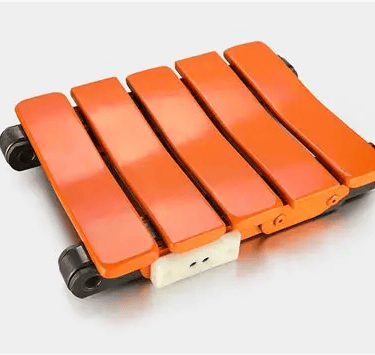
In the context of the paper industry, conveyor chains are categorized into several types, including heavy-duty roller conveyor chains and flat top transport chains. Each type possesses unique characteristics tailored to specific operational requirements. Heavy-duty roller chains are engineered to sustain substantial weight loads and withstand the rigors of continuous operation, making them ideal for transporting large paper rolls. Conversely, flat top chains provide a smooth transport surface, accommodating different sizes and shapes of paper products with ease.
The choice of the correct conveyor chain is essential for optimizing operational efficiency. Factors such as load capacity, speed, and environmental conditions must be considered when selecting a suitable chain. For example, the presence of moisture in paper production environments necessitates the use of corrosion-resistant materials for longevity and performance reliability. Ultimately, the appropriate conveyor chain enhances productivity by reducing downtime and minimizing maintenance needs.
With the growing demand for paper products, the importance of efficient handling and transporting systems has become increasingly significant. As the paper industry continues to evolve, selecting the right type of conveyor chains will remain paramount in meeting operational needs and ensuring a seamless production process.
Load Bearing Capacity: A Critical Metric
The load-bearing capacity is a fundamental characteristic when evaluating heavy-duty roller conveyor chains and flat top paper roll transport chains. These chains are designed to support various loads during transportation processes, with their maximum load limits directly influencing operational efficiency in industrial settings, particularly in paper mills.
Heavy-duty roller conveyor chains typically boast a load-bearing capacity of up to 2,500 pounds per foot, owing to their robust design and material composition. This high capacity allows them to handle substantial weights, making them suitable for rigorous industrial applications where heavy products are common. On the other hand, flat top paper roll transport chains usually maintain a load capacity ranging from 1,000 to 2,200 pounds per foot. Though slightly lower than that of their heavy-duty counterparts, this capacity is often sufficient for transporting paper rolls that are not only bulky but also sensitive to damage during transit.
In operational terms, the choice of chain can significantly influence productivity. For instance, using a heavy-duty roller conveyor chain in an environment where high load handling is essential can enhance throughput and minimize downtime due to chain failures. Real-world applications often highlight cases where mills employing heavy-duty chains experience reduced maintenance costs and increased lifespan due to the ability to sustain greater loads without frequent replacements.
Conversely, while flat top paper roll chains are adept at handling moderate loads, their design is optimized for smooth, stable transportation, especially in scenarios involving frequent stops and starts. This translates to improved handling efficiency for paper roll applications, ultimately leading to enhanced productivity.
In conclusion, understanding the load-bearing capacities of these chains is vital for selecting the right option for specific operational requirements in paper mills.
Surface Flatness and Its Impact on Transport Efficiency
Surface flatness is a critical factor in the design and performance of conveyor chains, particularly in applications involving the transport of paper rolls. The choice between heavy-duty roller chains and flat top paper roll transport chains can significantly influence the efficiency and integrity of the transportation process. The need for a reliable surface that can accommodate the weight and dimensions of paper rolls is paramount, as any inconsistencies can lead to product damage and decreased operational efficiency.
Flat top chains are engineered to provide a smoother, more stable surface compared to their heavy-duty counterparts. This enhanced surface flatness is particularly important in maintaining the alignment and support required for safely transporting delicate or heavy paper products. The stability offered by flat top chains minimizes the risk of misalignment, which can result in scuffing, bending, or rolling of the transported materials. Consequently, this helps in achieving consistent performance and protecting the product integrity during transit.
Moreover, the design of flat top paper roll transport chains facilitates optimal loading and unloading processes, making it easier to manage the flow of materials in a production environment. This manifests in increased throughput and reduced cycle times, ensuring that operations can remain efficient and cost-effective. In applications where surface integrity and stability are paramount, such as in printing and packaging facilities, flat top chains are generally favored.
In comparing both types of conveyor chains, it becomes clear that flat top chains’ superior surface flatness directly correlates with enhanced transport efficiency. Therefore, investing in the appropriate type of conveyor chain that prioritizes surface flatness can yield significant dividends in terms of reduced product damage and improved operational workflow.
Anti-Slip Performance for Secure Transport
When it comes to transporting heavy loads such as paper rolls, the anti-slip performance of conveyor chains becomes a paramount consideration. Two commonly used types of chains, heavy-duty roller conveyor chains and flat top paper roll transport chains, exhibit distinct qualities that impact their capability to minimize slippage during transit.
The design of the chain plays a critical role in its anti-slip ability. Heavy-duty roller conveyor chains are typically constructed with cylindrical rollers, which facilitate smooth motion and can adapt to inclines and declines with relative ease. This design minimizes the likelihood of slippage under load, making it particularly suitable for transporting heavier, bulkier items. In contrast, flat top paper roll transport chains provide a flat surface that supports the continuous load, enhancing the ability to stabilize the paper rolls effectively. This flat design conforms to the contours of the objects being transported, reducing the risk of lateral movement and enabling secure transport.
Material properties also significantly influence the performance of these chains in anti-slip applications. Heavy-duty roller chains are often made from high-strength alloy steel, which boasts durability and resilience, critical for maintaining performance under heavy loads. Flat top chains, while also constructed from robust materials, usually feature a surface treatment that enhances friction levels between the chain and the objects being moved. Precise surface treatments such as abrasion-resistant coatings or rubberized interfaces can further amplify the anti-slip characteristics, ensuring that paper rolls stay securely in place during transport.
To ensure maximum safety and efficiency when handling heavy paper rolls, best practices such as regularly inspecting chain integrity and employing proper lubrication techniques are advisable. Coupled with an understanding of the specific advantages presented by each type of chain, these practices can lead to a significant reduction in slippage incidents during the transporting process.
Wear Resistance: Longevity and Cost Efficiency
In the realm of industrial applications, the choice between heavy-duty roller conveyor chains and flat top paper roll transport chains often hinges on their wear resistance characteristics. These two types of chains serve different purposes, yet their longevity and cost efficiency are critical metrics for businesses aiming to minimize operational disruptions.
Heavy-duty roller conveyor chains are constructed from robust materials such as carbon steel, which offers superior hardness and resistance to wear over prolonged periods of use. The inherent attributes of these materials contribute to a longer expected lifespan when subjected to high-stress environments. In contrast, flat top paper roll transport chains, often made from composite materials or lighter alloys, may exhibit good wear resistance, yet they often do not match the durability of their heavy-duty counterparts, particularly in demanding applications.
The implications of wear on operational costs are profound. As chains endure wear from constant friction and heavy loads, they eventually require maintenance or replacement. Heavy-duty roller conveyor chains, with their significant wear resistance, translate to less frequent replacements, thereby reducing overall maintenance costs and associated downtimes. When chains experience minimal wear, the need for preventative maintenance dramatically decreases, allowing for efficient operational flow and increased uptime.
Moreover, considering the economic impact, investing in heavier-duty chains may yield better long-term savings despite a higher initial cost. The reduction in downtime and maintenance can offset the higher upfront investment, supporting a more sustainable choice for long-term operation. Thus, while both chain types have their merits, the choice of a heavy-duty roller conveyor chain embodies a strategy focused on longevity, reduced operational costs, and enhanced efficiency over time.
Noise Level and its Implications for the Work Environment
The operation of conveyors in industrial settings often generates varying levels of noise, which can significantly influence the work environment. In the case of heavy-duty roller conveyor chains and flat top paper roll transport chains, the noise levels produced during operation are a critical consideration. Roller chains typically produce noise due to the metal-to-metal contact with their sprockets as well as from the movement of the load itself. In contrast, flat top paper roll transport chains may create a different acoustic profile, often due to their design and construction materials.
The implications of these noise levels extend beyond mere comfort; they can affect employee productivity and overall workplace safety. High noise levels can lead to increased fatigue and stress among workers, which in turn can lower productivity and morale. Additionally, prolonged exposure to high decibel levels can result in hearing damage, prompting the need for protective measures in compliance with local workplace health and safety regulations.
An important factor to consider is the introduction of noise-reduction features in modern chains. Companies like Hangzhou Ocean Industry Co., Ltd. offer high-precision chains that are specifically designed to minimize noise during operation. These advanced designs can incorporate materials and engineering innovations aimed at dampening sound, thereby contributing to a quieter work environment.
As businesses strive to enhance employee comfort and safety, incorporating quieter transport solutions like noise-reduced conveyor chains not only promotes productivity but also ensures compliance with noise regulations. Ultimately, the choice between heavy-duty roller conveyor chains and flat top paper roll transport chains should take into account the noise levels associated with each type and their broader implications for workplace dynamics.
Maintenance Cycles and Total Operational Costs
The maintenance cycles of Heavy-Duty Roller Conveyor Chains and Flat Top Paper Roll Transport Chains significantly influence their total operational costs. In production environments, particularly within paper winding workshops and finished paper warehouses, maintaining these chains is crucial to ensure uninterrupted operations. Heavy-Duty Roller Conveyor Chains typically require more frequent maintenance due to their robust construction designed for heavy loads. This maintenance usually entails regular lubrication, inspection for wear, and occasional replacement of components. The costs associated with such maintenance can accumulate, particularly if the chains are subjected to extreme operational stresses.
In contrast, Flat Top Paper Roll Transport Chains are designed for different operational capacities and typically experience fewer maintenance demands. These chains can maintain performance with less frequent lubrication and minimal wear under normal operating conditions. Consequently, the total operational costs associated with Flat Top Paper Roll Transport Chains tend to be lower over time when compared to Heavy-Duty Roller Conveyor Chains. Businesses may find that while the initial investment in Flat Top Chains may align similarly with that of Heavy-Duty options, the long-term savings on maintenance can significantly offset upfront costs.
Moreover, the impact of operational costs on the supply chain should not be underestimated. Effective management of both chain types can lead to enhanced productivity and reduced downtime. In environments where efficiency is paramount, organizations using Flat Top Chains may experience economic advantages because of lower maintenance interruptions. Therefore, it is essential for businesses to consider not only the initial purchase price but also the expected maintenance cycles and economic implications of each chain type when making procurement decisions. Ultimately, these factors will play a critical role in determining the optimal chain solution for a specific production process.
Quality
Expert chain manufacturing with 20 years experience.
GET IN TOUCH
Tel:+86-571 88065675 | +86-571 88842852
E-mail:oceanindustry@vip.163.com
Fax:+86-571 88844378
Address:4th Floor, Block 2, Qianjiang Century Industrial Park, 2327 Hongning Road,Ningwei Town,Hangzhou, China
© 2005. All rights reserved.
An OIC Group company